A viral prank targeting a Michigan father of four has prompted strangers to donate more than half a million dollars, while his employer publicly stands behind him. The extraordinary response also recalls a recent North Texas crowdfunding controversy in which GoFundMe refunded $745,000 after discovering that a fundraiser’s organizer had misrepresented her identity.
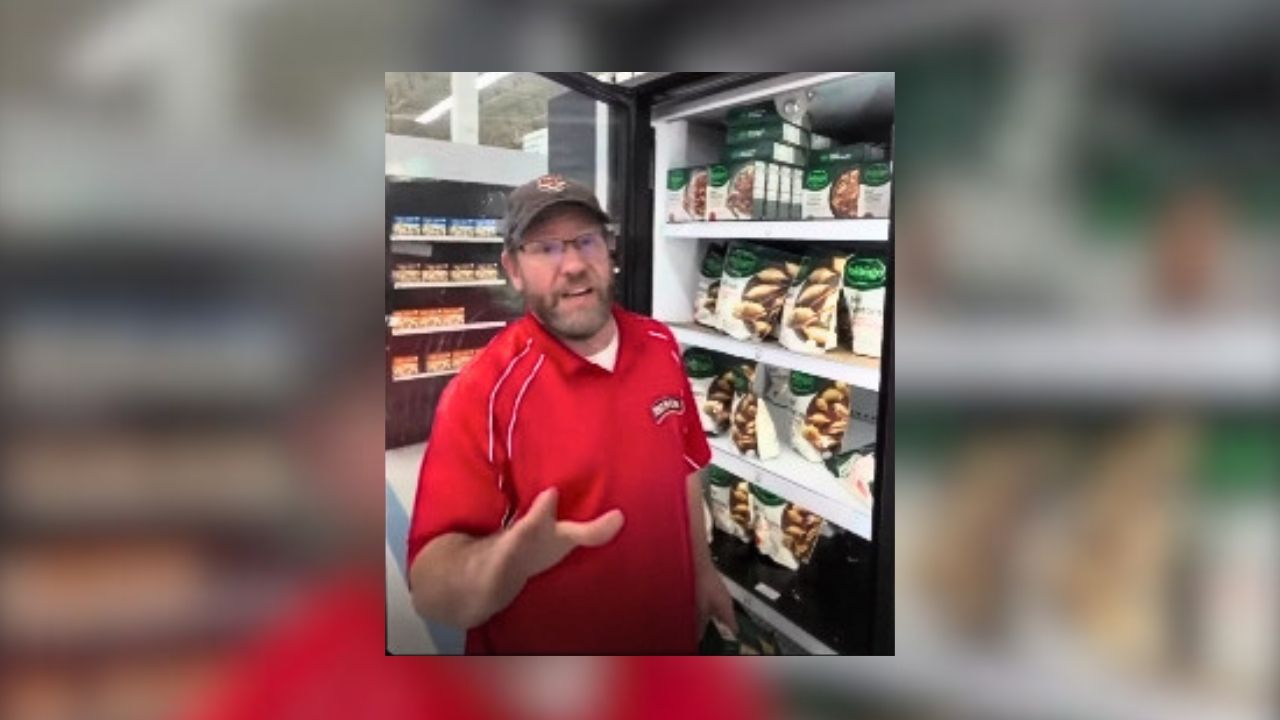
The Red Baron worker, identified as Walt Z on his fundraiser, was stocking frozen pizzas when a person filming a social media prank played a sound resembling an Apple Pay transaction and pretended to take $10 from him. Walt objected and described long workdays, missed time with his children and difficulty paying his mortgage.
As of Friday afternoon, October 30, the GoFundMe campaign had raised over $508,000 from approximately nearly 15 thousand donations, according to figures displayed on the fundraising page. That figure represents money pledged through the campaign, not confirmation that the beneficiary has received the full amount.
Company Stands By Worker
An encounter that reportedly took place in August spread widely online this week. Red Baron parent Schwan’s Company told the New York Post that it had contacted the employee, that he remained a valued team member and that the company continued to support him.
“He’s still here. He’s got a fan club. Including us.” Red Baron wrote in an October 29 post on X. A graphic accompanying the message suggested the company had closed employee-of-the-month nominations.
He’s still here. He’s got a fan club.
Including us. pic.twitter.com/7oppfnDUfx— Red Baron Pizza (@redbaronpizza) October 29, 2026
Luke Oakenshield of Chandler, Arizona, created the GoFundMe on October 27. He initially said he did not know Walt and wanted to locate him so the donations could reach him directly. The campaign now separately identifies Oakenshield as organizer and Walt Z as beneficiary. The Detroit News reported that GoFundMe was working to ensure the money reached Walt.
A $745,000 Texas Warning
The wave of online generosity follows a strikingly different viral fundraiser in The Colony, north of Dallas. In September, a campaign describing an elderly luggage-delivery worker and his wife’s medical expenses generated more than $745,000 before GoFundMe removed it and refunded donors.
As The Dallas Express previously covered, the organizer presented herself as a concerned neighbor named Erin Howell. GoFundMe said investigators determined that she was actually Amy Johnson, the couple’s daughter, and that she had misrepresented the source of a video showing her father delivering luggage.
Johnson maintained that her parents’ underlying financial and medical circumstances were genuine. GoFundMe cited the organizer’s misleading identity, not a determination that her parents’ hardship was fabricated. The family subsequently sought donations through GiveSendGo.
When Viral Appeals Become Fraud
Other cases have involved outright fabricated stories.
Federal prosecutors said a 2017 campaign claimed a homeless veteran, Johnny Bobbitt Jr., had spent his last $20 helping a stranded driver. The tale attracted about $400,000 from more than 14,000 donors. Investigators later established that the central story was false, and participants pleaded guilty or received criminal sentences.
In another case, federal prosecutors said Amanda Christine Riley falsely claimed to have cancer and collected more than $100,000 from donors. A federal judge sentenced her to five years in prison in 2022 after she pleaded guilty to wire fraud.
What Donors Can Verify
GoFundMe says its Giving Guarantee protects eligible donations for one year and allows donors to submit claims over suspected fraud or misuse. The company says its Trust & Safety team monitors fundraisers and investigates reports.
Donors can examine the organizer and beneficiary fields, read campaign updates, confirm that a link leads to the real fundraising platform, and check whether independent evidence supports the core appeal.
Provided by Dallas Express