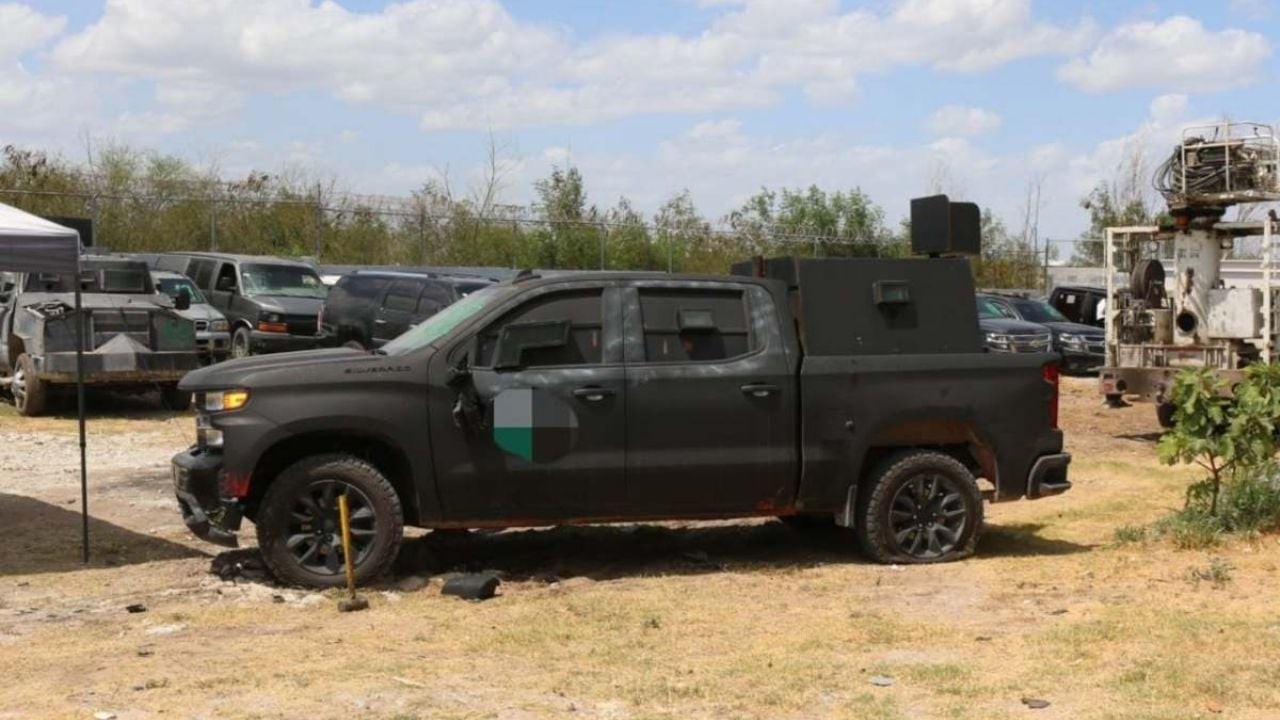
Vehicles stolen from private owners and rental fleets allegedly moved through El Paso to supply Mexican cartels, federal prosecutors announced Monday as they disclosed charges against 13 people.
Investigators recovered 29 vehicles worth approximately $1.137 million during Operation Southbound Takedown. Prosecutors allege the vehicles came from across the southwestern United States and supported cartel operations after entering Mexico.
Authorities recovered 22 of the vehicles in the United States and seven in Mexico, U.S. Attorney Justin R. Simmons of the Western District of Texas said at the news conference, KTSM reported. Simmons also said three seized vehicles carried explosives. Their intended use remained unknown, according to the station.
Where the vehicles came from
The DOJ announcement does not name the theft cities, rental companies or individual victims. It establishes no Dallas-Fort Worth origin for any vehicle and identifies no specific border bridge or inspection lane.
Cartels recruited U.S. citizens and other people able to cross the border legally to move the vehicles, Simmons said, according to KTSM. Homeland Security Investigations Deputy Special Agent in Charge Vance Belyeu said investigators learned that known gang members delivered vehicles to known cartel members, the station reported.
Eleven defendants are U.S. citizens. DOJ identifies Pablo Frias as a Mexican citizen with a permanent resident card and Pilar Bernabeth Mendez Rivas as a Mexican citizen with a border crossing card.
North Texas authorities have separately targeted cartel trafficking routes. In 2024, The Dallas Express reported on sheriffs in Collin, Tarrant and six other counties pooling deputies for highway interdiction.
Cartel allegations and border gaps
Each defendant faces a charge of interstate transportation of stolen property, carrying up to 10 years in federal prison. DOJ names no specific cartel and lists no terrorism charge in its announcement.
A separate federal review documents gaps in southbound enforcement. U.S. Customs and Border Protection officials told the Government Accountability Office that staffing and inspection infrastructure limited their ability to target firearms trafficking into Mexico, according to a report published September 28.
Outbound inspections varied across the border’s 28 land ports of entry. Some ports inspected intermittently during the day; others operated around the clock, GAO found. The report also found that the Department of Homeland Security lacked goals and performance measures to assess its firearms-trafficking efforts.
That audit examined firearms trafficking. It does not establish which inspection procedures applied to the vehicles in the El Paso investigation or whether an officer missed a stolen-vehicle alert.
The charges remain allegations. Each defendant is presumed innocent unless prosecutors prove guilt beyond a reasonable doubt.
Provided by Dallas Express