Downtown Dallas’ comeback plan calls for a safer, more inviting DART transit mall, but Downtown Dallas Inc.’s planning documents leave three questions unanswered: what will the improvements cost, who will pay and when will the work be finished?
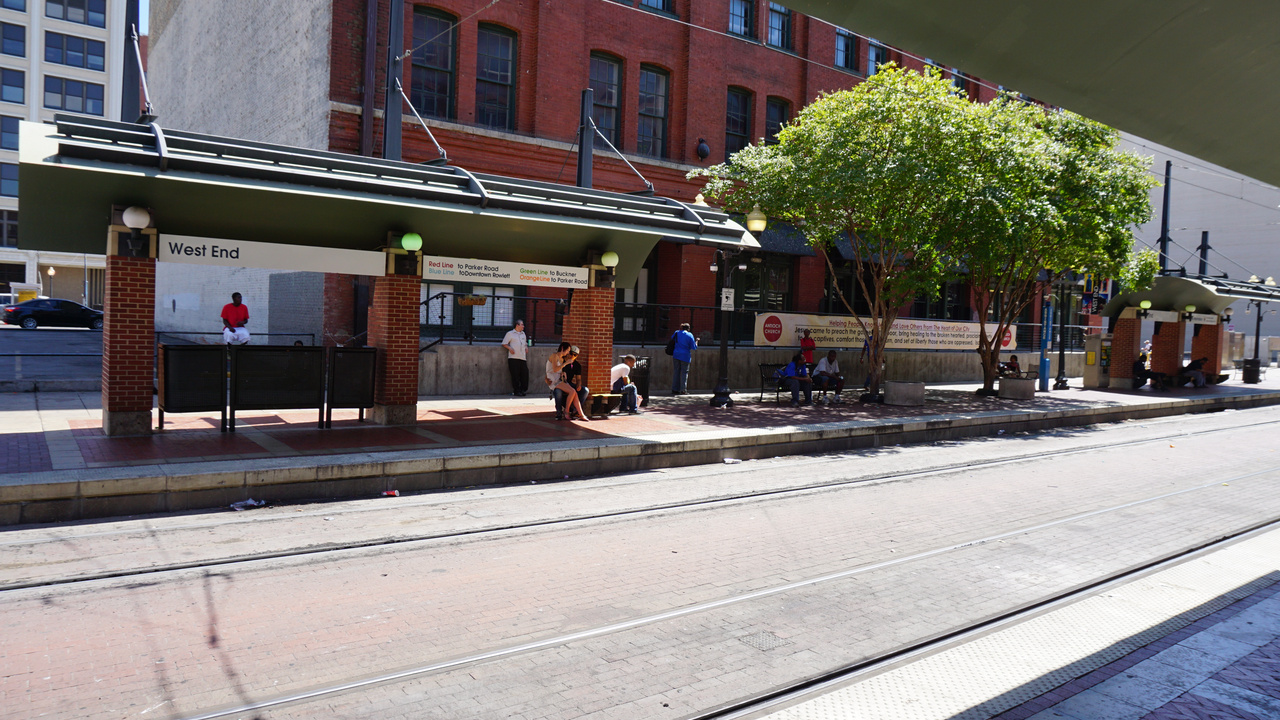
Chris Beynon, chief development officer at planning firm MIG, highlighted Pacific Avenue during Downtown Dallas Inc.’s September 30 presentation. He illustrated the problem by imagining a couple arriving downtown, then deciding to turn around and leave.
The criticism comes as Dallas Area Rapid Transit prepares a new enforcement program, as The Dallas Express previously reported.
A downtown arrival that needs work
DDI’s September progress update calls for transforming the transit mall into a “safe, active and thriving Downtown public space,” with improvements addressing safety, stations and public areas. DDI, DART and the city are among the partners listed for the broader connections initiative.
The location Beynon highlighted is near West End Station, which serves all four DART light rail lines on Pacific Avenue between Market and Lamar streets, according to DART.
Beynon proposed incremental repairs, landscaping, public art and facade improvements. DDI’s slides illustrate potential changes along the corridor. Neither document supplies an itemized transit-mall budget or completion date.
He also credited DART with making progress. DDI President and CEO Jennifer Scripps praised the agency’s World Cup service and asked how downtown could build on that performance to attract more riders.
Taxpayer funding and suburban pressure
The downtown push follows a regional funding dispute. A February compromise would return part of DART’s one-cent sales tax funding to participating cities for transportation uses. Plano subsequently canceled its planned withdrawal election after agreeing to funding and governance measures, as DX reported.
Dallas’ March 25 approved agreement projects approximately $211 million for eligible transportation projects over fiscal years 2026 through 2031. Permitted uses include street and pedestrian improvements, station access and complementary transportation services.
Projects require DART Board approval before reimbursement. The agreement also requires participating cities to refrain from legislative actions that would impair or reduce DART’s one-cent sales tax.
That projected funding covers eligible projects across Dallas. DDI’s documents do not identify an allocation from it for the transit mall.
The progress update lists design, pricing and refinement of funding sources as implementation steps. It separately identifies $14.9 million in bond funding for Harwood Street. That is a different corridor project, not a stated transit-mall budget.
Enforcement faces its own test
Operation Access, a 90-day demonstration expected to begin in late fall, will target fare evasion and conduct violations at five stations, according to DART’s September announcement. The initial locations are Bachman, MLK Jr., Forest Lane, 8th & Corinth and White Rock.
West End is not on that initial list. DART said the five stations were selected using incident data and their coverage of routes entering and leaving downtown.
DART Board Chair Randall Bryant reported a 21% reduction in crimes against people this year. He also cited $35 million approved for cameras and cleaning, plus $32 million for diversion programs.
An October 13 board briefing is scheduled to examine fare gates and a uniformed security presence in the first car of every train. Those measures remain under review.
DDI’s update calls for “trackable metrics for success.” Its documents leave the cost, funding allocation and delivery date for the transit-mall improvements unresolved.
Provided by Dallas Express