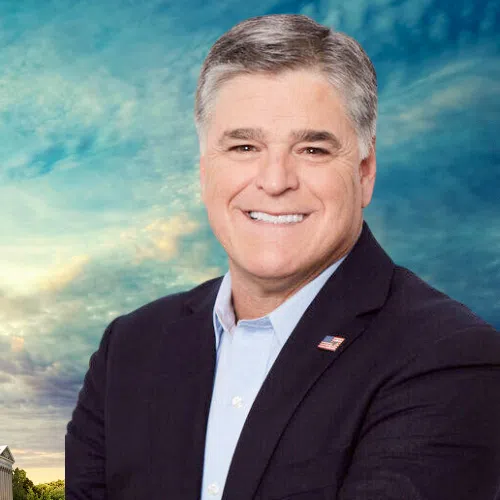
British media personality Katie Hopkins raised concerns about restrictions on free expression, immigration and Britain’s changing demographics during an appearance published October 28 on The Dallas Express’ Let’s Talk Local podcast.
Hopkins has become one of the United Kingdom’s most outspoken and controversial commentators, drawing attention for her views on immigration, politics, and free speech. Her public statements have contributed to professional setbacks, canceled appearances, and legal disputes, including a 2017 defamation judgment against her.
Speaking with host Sarah Zubiate Bennett, Hopkins pointed to tens of thousands of arrests under British communications laws and contrasted life in the United Kingdom with constitutional protections in the United States. Her remarks come weeks after a civil liberties organization released new figures on the enforcement of speech-related offenses.
“I will never ask anyone to agree with anything I say. And I will never ask anyone to like me,” Hopkins said, explaining her approach to public debate.
Thousands Of Arrests Under Communications Laws
Police across the United Kingdom made at least 62,199 arrests for communications offenses from 2021 through 2025, according to an analysis of Freedom of Information responses by civil liberties group Big Brother Watch. The organization identified at least 18,500 charges and 12,292 convictions in its September 2026 report. The figures also encompass categories of conduct beyond political dissent, including potentially threatening or harassing communications.
Big Brother Watch also found substantial differences in police enforcement. Cumbria Constabulary made 25.7 arrests per 10,000 residents over five years, while neighboring Northumbria recorded 1.9 per 10,000. The group called for an independent review of the laws and police practices governing speech.
“It is a very sinister time. Orwellian doesn’t really cut it. It’s much more oppressive than that in The UK right now,” Hopkins said of the country’s speech restrictions.
New Data On Names And Demographics
Hopkins also pointed to immigration and demographic changes, including the popularity of the name Muhammad.
Official figures offer support for the narrower baby-name claim: Muhammad ranked first among boys’ names in England and Wales in 2025, with 5,957 registrations, according to data the Office for National Statistics released July 9. The ranking applies to boys, not to all newborns or the entire United Kingdom.
The latest census provides further context. In England and Wales, 3.9 million residents, or 6.5% of the population, identified as Muslim in 2021, up from 4.9% in 2011, according to the ONS census.
London’s white British population accounted for 36.8% of residents in 2021, according to government figures. That classification excludes other white ethnic groups, which accounted for another 17% of London’s population.
These figures reflect the most recent official data available from the Office for National Statistics, including the 2021 census and the 2025 baby-names release.
A Message For American Voters
Hopkins contrasted Britain’s legal climate with American constitutional safeguards, emphasizing the Second Amendment and urging Americans to participate in elections.
“But the thing is, the second amendment is what separates America from about every other country on this planet,” Hopkins said during the podcast.
The Dallas Express previously examined the British government’s digital identity proposals and objections from political leaders who warned about privacy and state control.
The full Hopkins conversation appears in the October 28 Let’s Talk Local episode, “Free Speech, Islam, and the Future of Britain: Katie Hopkins Unfiltered.”
“Good does win in the end,” Hopkins said near the end of the interview, after encouraging Americans to vote throughout the ballot.
Glenn Beck Warns Of Possible Global Conflict
British commentator Katie Hopkins’ warnings come as Glenn Beck raised separate concerns Wednesday about emergency preparedness measures in Europe and the United States, suggesting governments may be anticipating a major international crisis.
“The last time I felt the urge to give a warning like this was in 2007, right before the 2008 crash,” Beck wrote on X on October 28.
Beck pointed to two developments fueling his concern: European governments urging households to stockpile emergency supplies and the Pentagon preparing military installations to operate independently during major disruptions.
“Across Europe, governments are quietly issuing emergency ‘Be Ready’ advisories, asking citizens to stockpile cash, water, and food. Add that to the Pentagon’s new FORTRESS initiative and it sure looks like… SOMETHING is coming,” posted Beck.
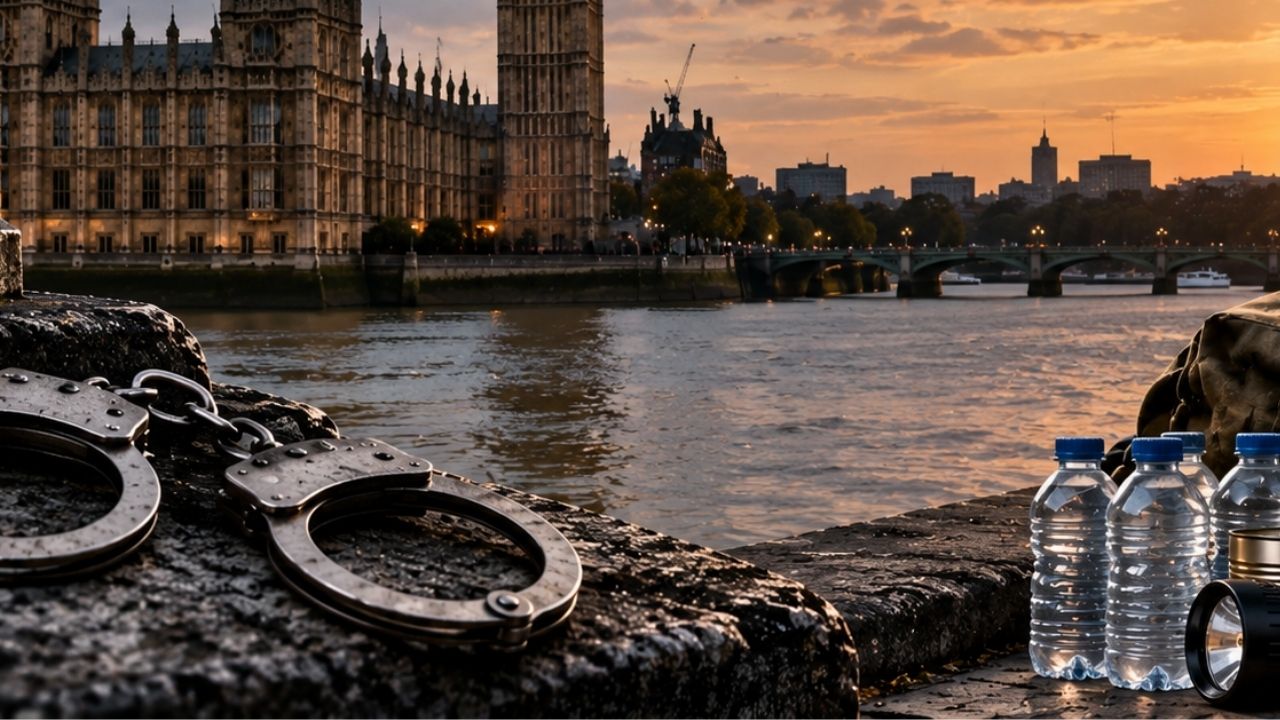
The United Kingdom launched its “Be Ready” campaign on October 22, encouraging households to keep three days of drinking water, nonperishable food, cash, and other emergency essentials. British officials said the campaign aims to prepare residents for severe weather and disruptions to everyday services, rather than a specific imminent threat, as previously reported by The Dallas Express.
The official website provides a preparedness checklist.
The Pentagon’s FORTRESS initiative addresses a different vulnerability: the military’s dependence on civilian infrastructure. The program focuses on independent energy generation, supply-chain resilience, strategic reserves, and protection against physical and cyber disruptions. Defense Secretary Pete Hegseth announced the broader initiative on September 30.
Under the Pentagon’s plans, major military installations in the continental United States would need to sustain essential operations independently for at least 90 days, including electricity, water, fuel, and communications, according to an October 25 Fox News investigation. The target does not establish that bases already have that capability.
Beck interpreted the combination of civilian preparedness guidance and military planning for prolonged infrastructure disruptions as warning signs of a potentially wider conflict.
“They’re preparing for impact. And you should too. I hope and pray I’m wrong. But I think massive global conflict is coming….” Beck wrote.
Neither initiative independently establishes that war is imminent. British officials described their campaign as routine emergency preparedness, while the Pentagon framed FORTRESS as a way to maintain military operations during potential crises.
Provided by Dallas Express