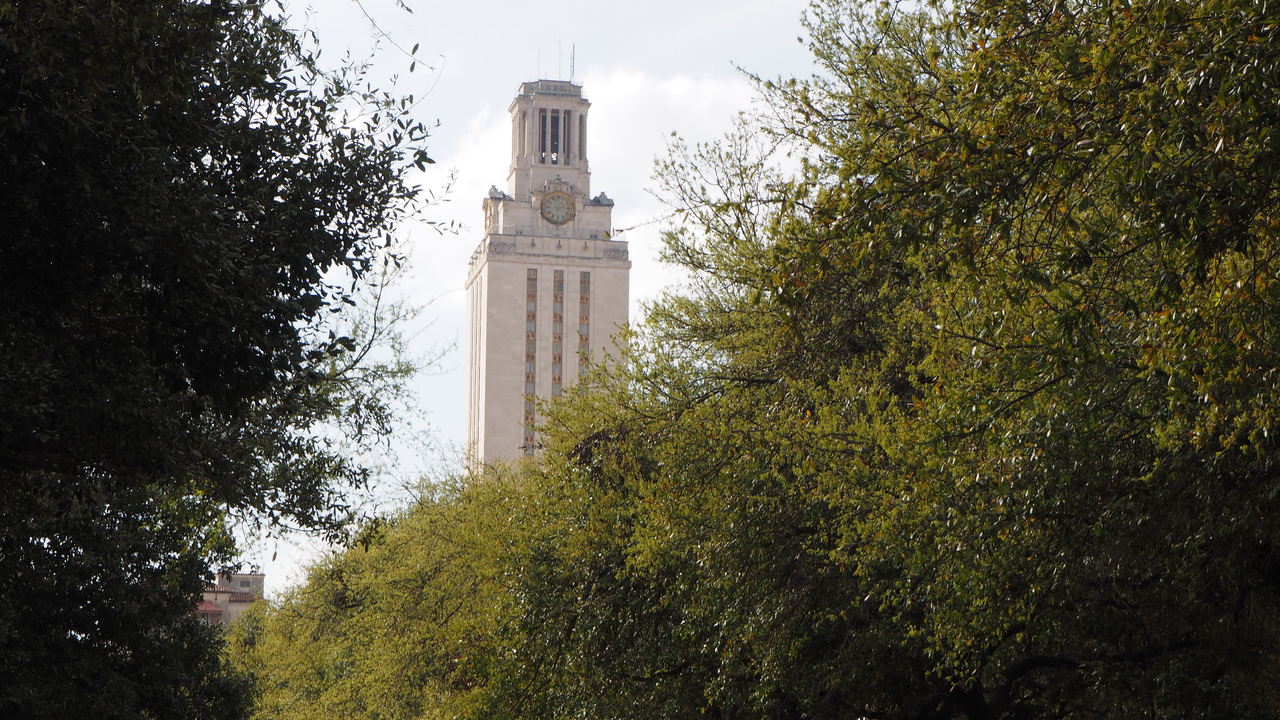
The University of Texas at Austin cut foreign research relationships flagged as national security risks following Pentagon scrutiny, the Department of War announced Monday as it reported the results of security audits at 30 universities.
All 30 universities have fully mitigated identified relationships with foreign entities of concern, the department said. The audits produced more than 80 termination-related actions, including precautionary terminations involving entities outside the federal list.
The audits focused on relationships with entities on the NDAA Section 1286 list published in July 2026. The list “identifies individuals, companies, and institutions that the U.S. Government has flagged as a concern to national security.”
“The 1286 List specifically counters unwanted foreign influence on Department of War funded research by listing foreign entities and talent programs confirmed to be engaging in activities that threaten U.S. national security interests,” according to the department.
UT Austin among seven schools taking additional steps
Seven universities went beyond minimum compliance by quickly ending problematic relationships and adding safeguards, the department said. They are Oklahoma State University, The Pennsylvania State University, University of North Carolina at Chapel Hill, University of South Carolina, University of Southern California, University of Texas at Austin and Virginia Tech.
The release did not name the foreign entities connected to UT Austin or describe the research involved.
“These academic institutions that went above and beyond deserve immense credit for setting the benchmark in domestic research security,” said Joseph Jewell, assistant secretary of war for science and technology. “Rather than settling for minimum compliance, these institutions took bold, self-initiated steps to protect their labs, faculty, and intellectual property from foreign exploitation. Their proactive commitment ensures that groundbreaking research directly empowers the American warfighter and strengthens our Nation’s technological edge.”
Taxpayer funding at stake
Starting in fiscal 2026, the department cannot fund fundamental research involving collaboration with any listed entity. The prohibition covers grants, contracts and other assistance to universities, according to the list’s introduction.
Emil Michael, under secretary of war for research and engineering, said the effort succeeded across the initial group.
“I am proud that the Department of War went 30-for-30 in working with these top-tier research universities to terminate relationships with malign foreign entities,” Michael said. “The Department commends the institutions that took decisive action to mitigate relationships that could expose American research to foreign exploitation.
“Our work will continue. Institutions that fail to meet research security standards are on notice: taxpayer dollars will not support institutions whose partnerships put the American warfighter or the Nation’s technological advantage at risk.”
The department will keep updating the NDAA Section 1286 list and assessing universities that retain problematic relationships with listed entities. It will work alongside the House and Senate Armed Services Committees, the House and Senate Appropriations Committees, and the House Select Committee on the Chinese Communist Party.
Provided by Dallas Express